
Material and profile
Aluminium or uPVC, profile series and groove or cross-section where known.
BY SYSTEM AND OPENING TYPE
Choose the closest system direction first. Then confirm the material, profile or groove, opening type and sash or door weight before reviewing a model.

SYSTEM FAMILIES
The system route helps you reach the right product family without selecting a single component too early.
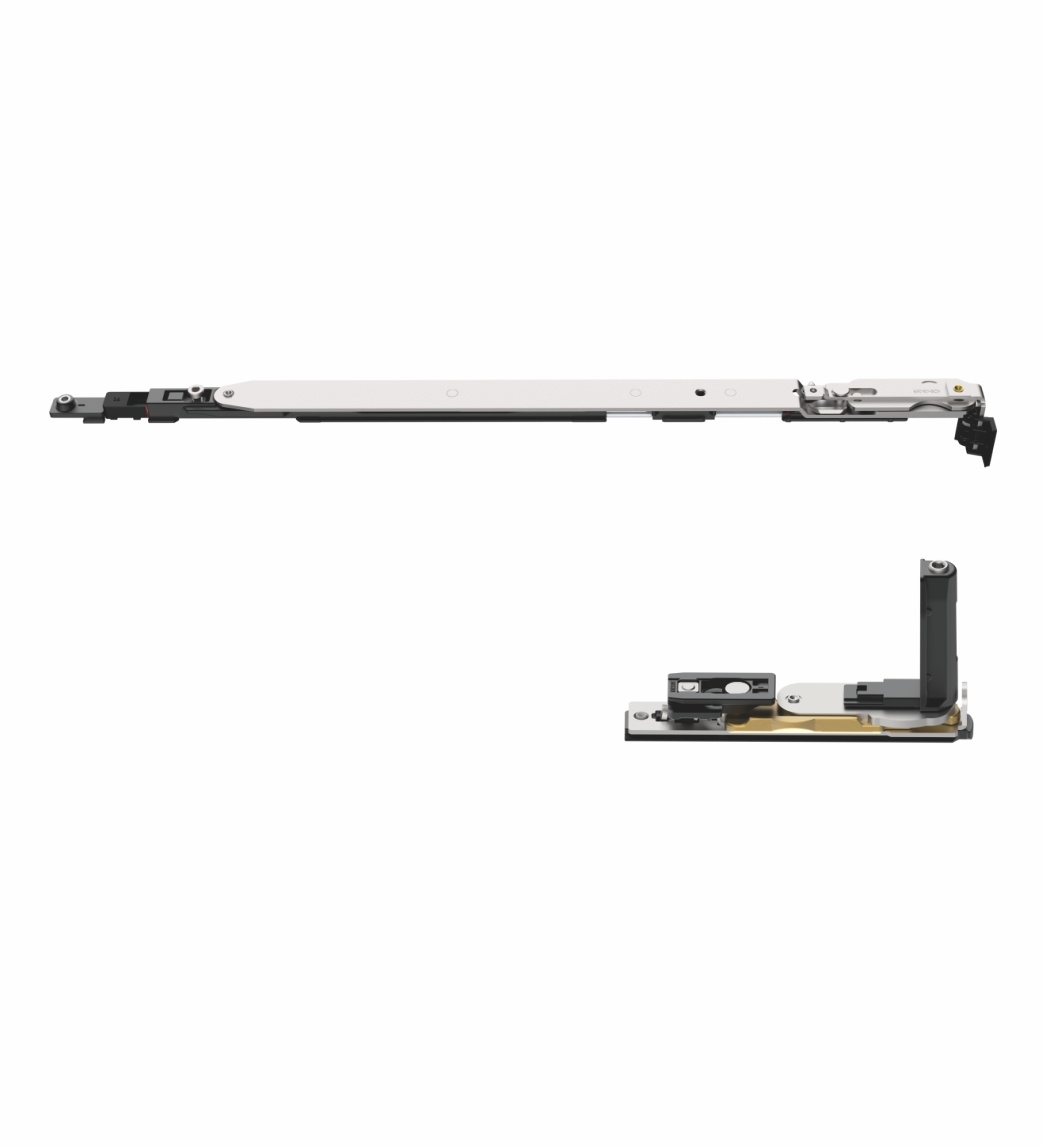
WINDOW SYSTEM
Review the combined tilt and turn opening direction, profile interface and sash weight.
View tilt & turn systems ↗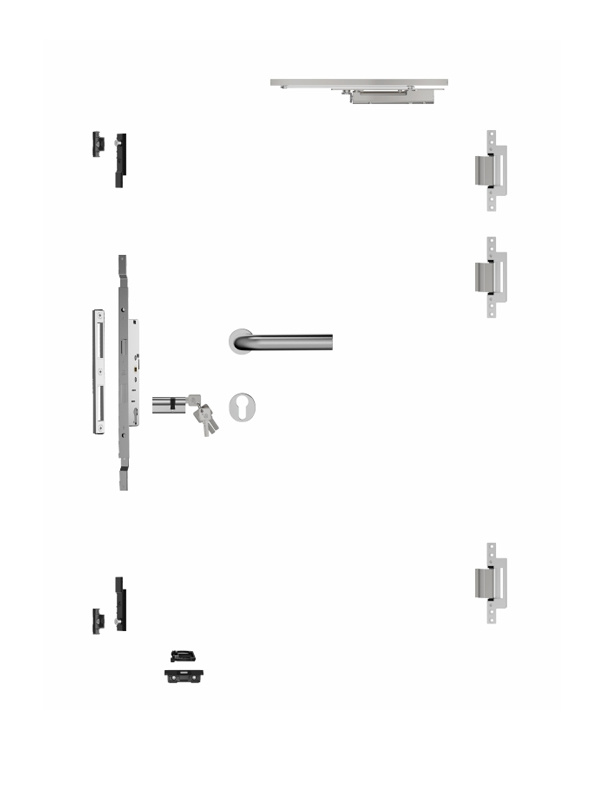
WINDOW SYSTEM
Start with inward or outward opening, then compare the profile and sash conditions.
View casement systems ↗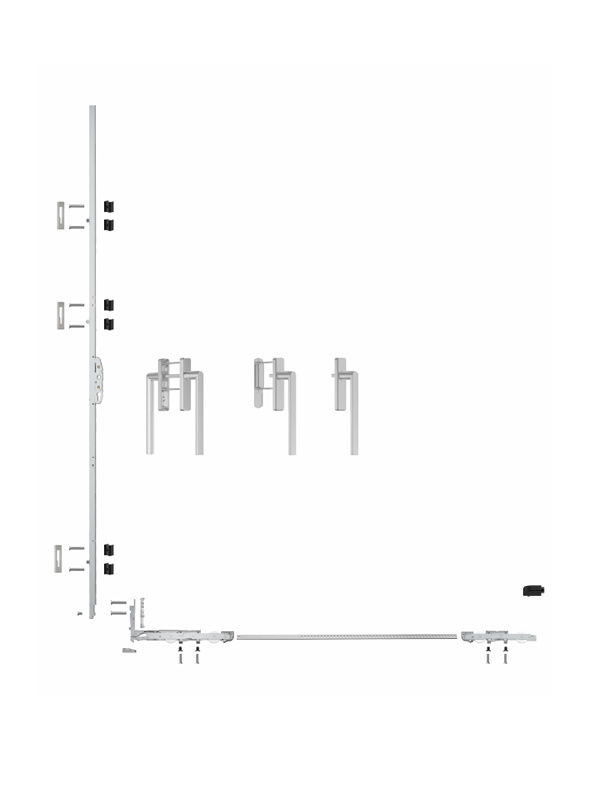
DOOR SYSTEM
Review the lift-slide operating direction, track arrangement and door leaf weight.
View lift-slide systems ↗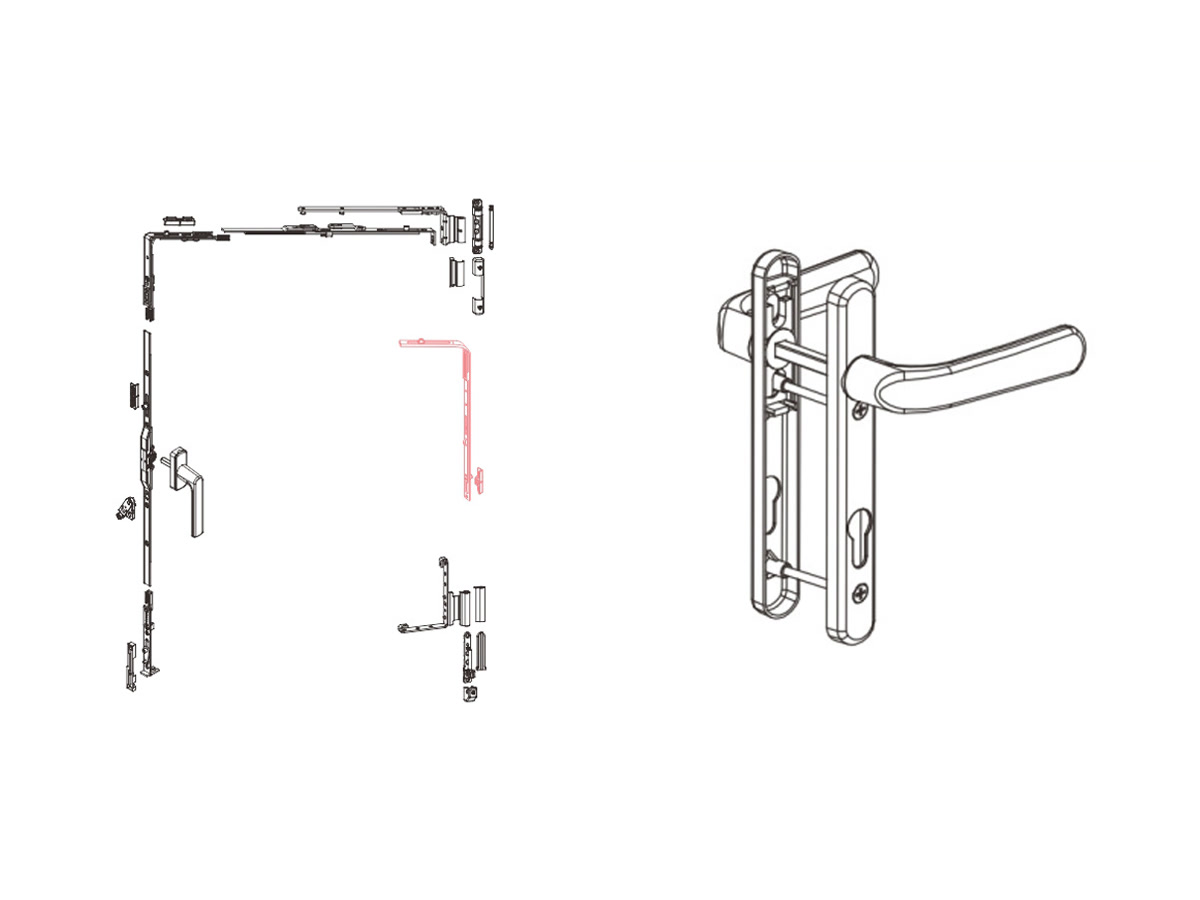
WINDOW SYSTEM
Use the uPVC category when the project starts from a sliding or hung window direction.
View sliding window route ↗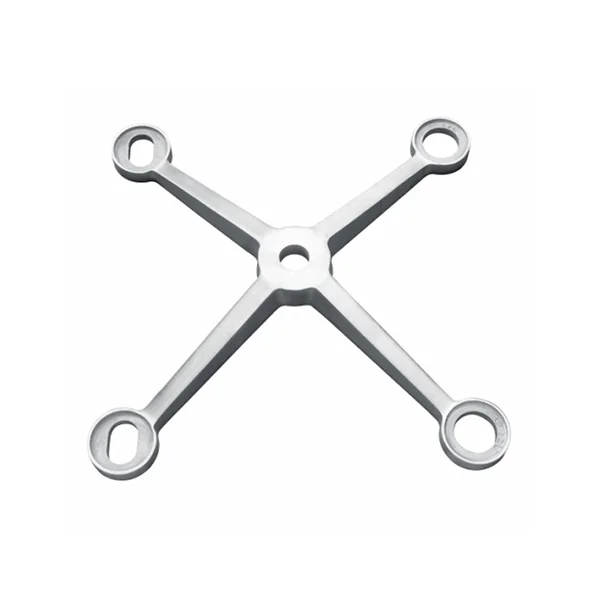
GLASS CONNECTION
Start with the glass connection and fixing method for a point-supported facade.
View curtain wall hardware ↗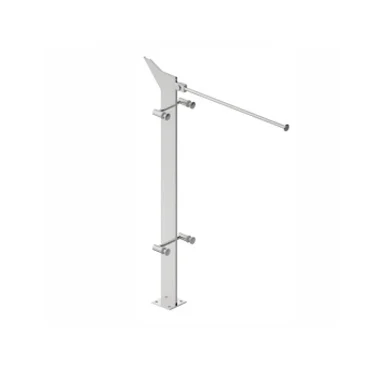
RAILING SYSTEM
Choose the main railing structure or the glass fixing method, then review installation details.
View glass railing hardware ↗MATCHING INFORMATION
Prepare the information available to you before moving from a system family to a model or drawing.
Aluminium or uPVC, profile series and groove or cross-section where known.
Tilt & turn, casement, lift-slide, sliding, point-fixed or railing fixing direction.
Sash or door leaf weight, glass thickness, key dimensions and installation conditions.
Project quantity, finish or colour, destination country and target delivery timing.
CONTINUE
If you already know the application or have a drawing, use the more direct project route.
SYSTEM MATCHING
Share the system direction and the information you already have. The next review can start from a model, profile, drawing or photo.