
SHORT ANSWER
A useful point-fixed glass fittings enquiry begins with the application and support route, then confirms the glass build-up, hole/drawing information, fixing layout, project quantity and destination. Routels, spider fittings and glass clamps may look related, but their final use depends on the complete connection condition and project documents.
Point-fixed glass fittings are often searched by the visible component name. For a project enquiry, however, the most useful starting point is the glass application and the connection that must be made. This guide keeps the first conversation clear without presenting a component list as a finished structural design.
The short answer
State whether the project is a point-supported façade, a glass connection, a hanging condition or another fixed-glass application. Send the glass schedule or drawing, support material/interface, available hole information, fixing layout and quantity. Ask for a product direction first; final selection requires confirmation against the actual project condition.
1. Name the glass application first
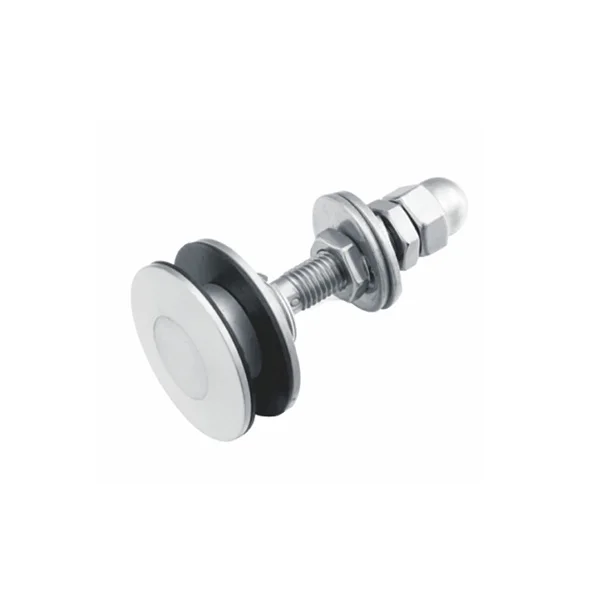
“Point-fixed glass fittings” can refer to several product routes. A floating-head routel, a spider fitting, a clamp and a tie-rod support do not perform the same connection task. Start the enquiry by naming the application and support condition rather than selecting only by appearance.
Use project photos or drawings to identify:
- glass-to-structure, glass-to-glass or glass-to-fin connection;
- whether the connection is for a façade, canopy, partition or another application;
- the number and position of visible fixing points;
- the supporting structure or interface that the fitting must connect to.
2. Prepare the glass and support information
Glass condition and support information are separate inputs. Provide the glass build-up and any hole schedule/drawing available, then show the support material, connection face and access condition. If the precise information is not yet known, mark the gaps so they can be treated as confirmation items rather than assumptions.
Identify façade, canopy, partition or another glass connection condition.
Send the glass schedule, build-up and available drawing or hole information.
Show the structure, material, connection face and access condition.
Provide the number, position and visible arrangement of fixing points.
Add finish, quantity, destination and the stage of the project review.
3. Choose a product route, not an engineering conclusion
The curtain wall hardware range is organized around point-fixed fittings, spider fittings, glass clamps and tie-rod supports. Use its product families to identify the route that matches the connection. For example, the floating-head routel reference can be a useful starting point when the drawing already indicates a routel-style connection.
That is not a statement that any listed fitting is approved for the project. Fenrova needs the actual glass and support inputs before confirming model, geometry, fixing route or project suitability. This is especially important where the enquiry includes only a façade rendering.
What to include in the enquiry
Send a clear PDF, elevation, glass schedule or set of annotated photos. Add the project location, quantity, preferred finish and expected timing. If the information comes from several parties, identify which details are preliminary so the product route can be separated from conditions requiring further confirmation.
For public reference material, start with technical drawings. For a live project condition, use project matching. If the requirement is for a glass railing rather than a façade connection, see the separate glass railing hardware for stairs guide.
Frequently asked questions
Can I choose a spider fitting from the number of arms alone?
No. The visible arm count does not establish the glass condition, support interface, fixing layout or project requirement. Use it only as one part of the enquiry description.
Do I need a complete engineering package before asking for a product route?
No. A drawing or clear project photos can begin the review. The response should distinguish a preliminary route from details that still need confirmation.
Can a general glass clamp replace a point-fixed fitting?
Do not assume so. State the intended glass connection and support condition before comparing product families.
References
NEXT STEP
Start with the connection details, not a visual guess
Share the glass application, support route and available drawings. Fenrova can then identify the appropriate product direction and the items that still need confirmation.
Start a project matching request →